
Climate Change, and its impact
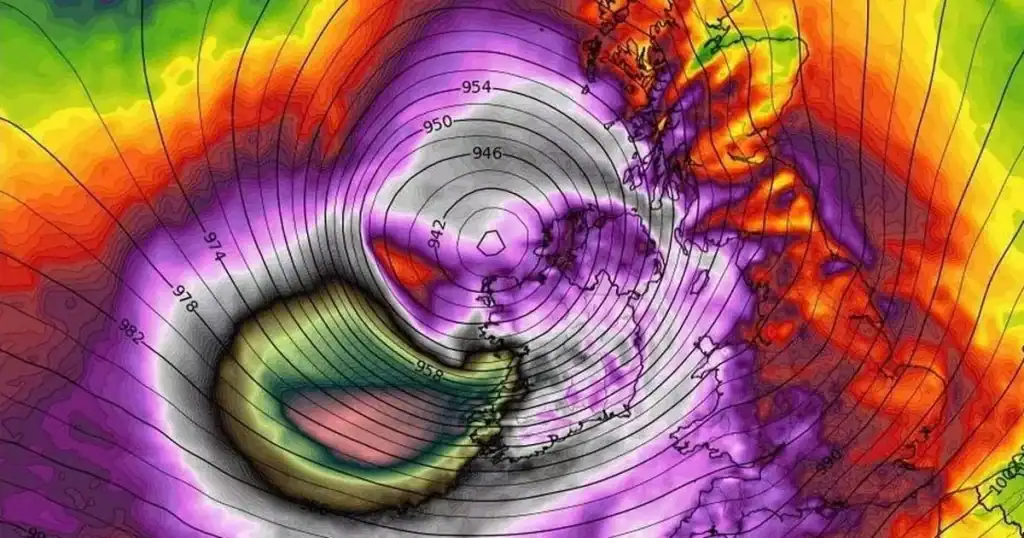
When we talk about climate change, you might be wondering, “So what if there’s a little climate change? It’s good to have warmer summers and a few nice days at the beach”
Sadly, global warming isn’t making life more fun in the sun – in fact, in lots of spots, it’s probably going to get way too hot to enjoy. And it’s not just a polar bear thing — the climate crisis is real and affecting people everywhere right now. From our health to our money, we’re feeling the squeeze of a world that’s getting hotter and changing in ways we never saw coming. Definitely not the chill beach vacation vibe!
Climate change is basically a long-term shift in the usual weather patterns we’re used to, which shape the climate around the world. These changes cause all kinds of different effects, which is what people usually mean when they talk about climate change.
Climate change messes with the weather by making the water cycle so much more intense. Basically, water turns into vapor from land and oceans and comes back down as rain or snow. When the planet gets warmer, more water evaporates from the oceans, fuelling bigger and stronger storms.
Scientists keep an eye on the climate using data from the ground, the air, and space, plus computer models. They look at past, present, and future climate patterns. The data they gather show us important clues like how global land and sea temperatures are going up, sea levels are rising, ice is melting at the poles and on mountains, and how extreme weather events like hurricanes, heatwaves, wildfires, droughts, floods, and heavy rain are getting more intense or happening more often. They also track changes in clouds and plants on Earth.
The changes we’ve seen in Earth’s climate since the mid-1900s are mainly due to human activities, especially burning fossil fuels. This pumps more greenhouse gases into the air, which traps heat and makes the planet warmer on average.
What effects of climate change have already been seen?
Climate change has already had a huge effect on the environment, including:
- more frequent and intense extreme weather, such as heatwaves and heavy rainfall
- rapid melting of glaciers and ice sheets, contributing to sea-level rise
- huge declines in Arctic sea-ice
- warmer oceans, which can fuel more intense storms and hurricanes and damage wildlife such as coral reefs
The Outlook for Weather Events
The forecast for the next hundred years shows that the existing climate trends will keep going and even get worse. Adaptation is the action we take to lessen how much we’re affected by climate change. If we cut down on emissions now, we won’t have to adapt as much later on. But some effects we can’t avoid anymore.
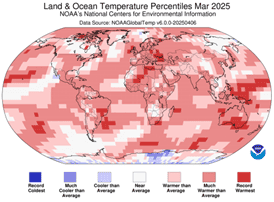
Ireland has become 0.7C warmer and 7% wetter when comparing 1961-1990 and 1991-2020. (Met Eireann). As the planet warms up, Ireland’s weather is changing significantly, – we’re talking more storms, floods, coastlines shifting, and odd seasons like summer grey skies and no sunshine. Last year was both the hottest and the wettest ever in Ireland, according to Met Éireann. Globally, it’s been 12 months straight of record-breaking heat, with temperatures around 1.5 degrees higher than what we had before fossil fuels took over, recent data shows. March 2025 was the hottest March on record for Europe, the second-warmest globally, with marked dry and wet anomalies for Europe, according to the latest monthly Climate Bulletin of the Copernicus Climate Change Service (C3S).
Storm Eowyn
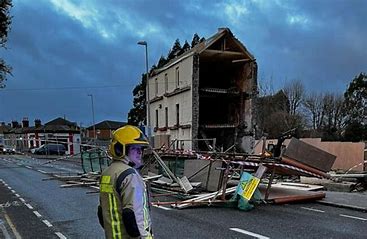
Basically, we “feel” the climate through the weather and especially when weather extremes change
Storm Éowyn was the strongest storm on record for Ireland. Hurricane-force winds of 84 mph, gusting to 114 mpha peak significant wave height of 41 feet (12.6 meters) and a peak wave height of 66 feet (20.1 meters).Power was knocked out for at least 725,000 customers in Ireland — close to 30% of the nation’s customers
Two weeks on from one of the most destructive storms in the history of the State, thousands of people were still in the dark with repair crews working to get the lights back on across the country. Questions are being asked about the country’s preparedness to face extreme weather, and whether more could have been done to mitigate the impact of Storm Eowyn.
The reality of these figures is captured by some of the experiences of people during the storm:
- People with disabilities dependent on power for a range of day-to-day activities
- People without heat and light.
- People with medical conditions that needed to report to hospital on a daily basis
- Families with family members needing the use of hoists and feeding tubes
- Farmers struggling to manage livestock.
- No humanitarian assistance was provided to business or farms
Storm Éowyn may well end up being Earth’s second billion-dollar weather disaster of 2025, along with the Los Angeles fires, showing us, that climate change affects everyone.
With Met Éireann warning that major weather events like Storm Éowyn are set to become a more frequent occurrence in the years ahead, the question is what needs to be done NOW to make sure, next time, Ireland is ready.
For years, the energy regulator has advised the ESB that unless improvements are made, repeated and prolonged power outages would become inevitable. In 2023, the CRU expressed significant criticism of the efforts undertaken up to that point, noting that the ESB’s approach was inadequate.
People are rightly concerned that the Government may not fully grasp the extent of the difficulties faced by individuals who have borne the consequences of insufficient investment in essential infrastructure, such as electricity, water, and communications. The inadequacy of the Humanitarian Assistance Scheme (HAS), is a clear example of this; two thirds of applications have been refused, some without explanation. Only 34% of applications to HAS, have been paid out (as of April 1st)
We require a more effective response. It involves establishing a comprehensive and well-functioning support framework for households, communities, and small businesses through financial assistance, infrastructural investments, and relevant services. As noted, the current humanitarian assistance scheme is reactive, insufficient, and limited in scope. Additionally, we need investment in climate mitigation infrastructure, such as flood defences, and addressing challenges related to providing insurance coverage for households and businesses that are unable to obtain flood insurance despite being located in high-risk areas.
Additionally, there was a significant impact due to the delayed government response and the absence of an effective communication strategy relating to the emergency plan to address the aftermath of Storm Éowyn. This needs to be addressed.
NOTE: We pay tribute to the first responders, emergency services, oversee crews who travelled to assist. The response from local community groups and sports associations cannot be underestimated and we say ‘Thank you’

Posted on 6th May 2025 by Sue