News
Walking into the reality of Intergenerational Solidarity
We have less than one week left to get the rest of our steps in for this May challenge! As you have probably already noticed, our theme for this year’s fundraising walk is Intergenerational Solidarity.
Why Intergeneration Solidarity?
Also referred to as Multigenerational Solidarity, it is the mutual support and collaboration among different age groups within a society or family. It encompasses the recognition and appreciation of the strengths and contributions of individuals from various generations. There are a multitude of benefits to partaking in such a practice:
Social cohesion and connection: When generations collaborate and work together, it fosters understanding, empathy, and appreciation for one another. This acts as a means of ‘bridging the generation gap’ and encouraging a sense of belonging and togetherness. It an contribute to the creation of stronger family ties, reducing social isolation, and enhancing community relationships.
Wisdom, experience and learning: Each generation brings unique perspectives, knowledge, and life experiences. Through sharing experiences and helping others navigate life’s challenges, one can gain a sense of purpose and fulfilment. Any exchange of knowledge and ideas can enhance personal growth and promotes lifelong learning.
Emotional support: Life can present numerous challenges at different stages, such as career decisions, relationship issues, or health concerns. Multigenerational solidarity provides emotional support systems where individuals can seek guidance, advice, and comfort from others who have gone through similar experiences. Sharing and empathising with one another’s struggles can strengthen both familial and societal bonds.
Skills transfer: Different people possess distinct skill sets, expertise, and knowledge particularly as we move through generations. By sharing these skills, cultural and traditional practices can be maintained while newer skills in areas such as technology can be passed along through each generation.
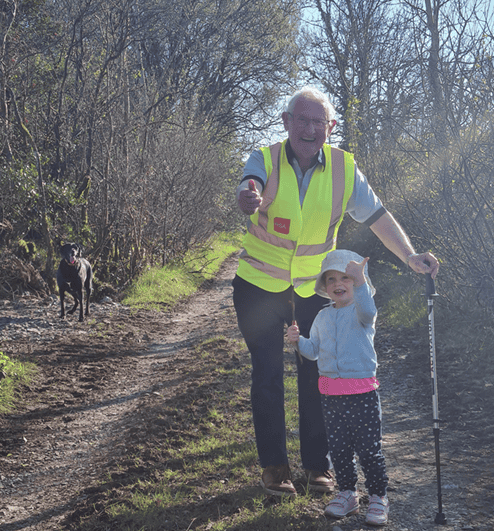
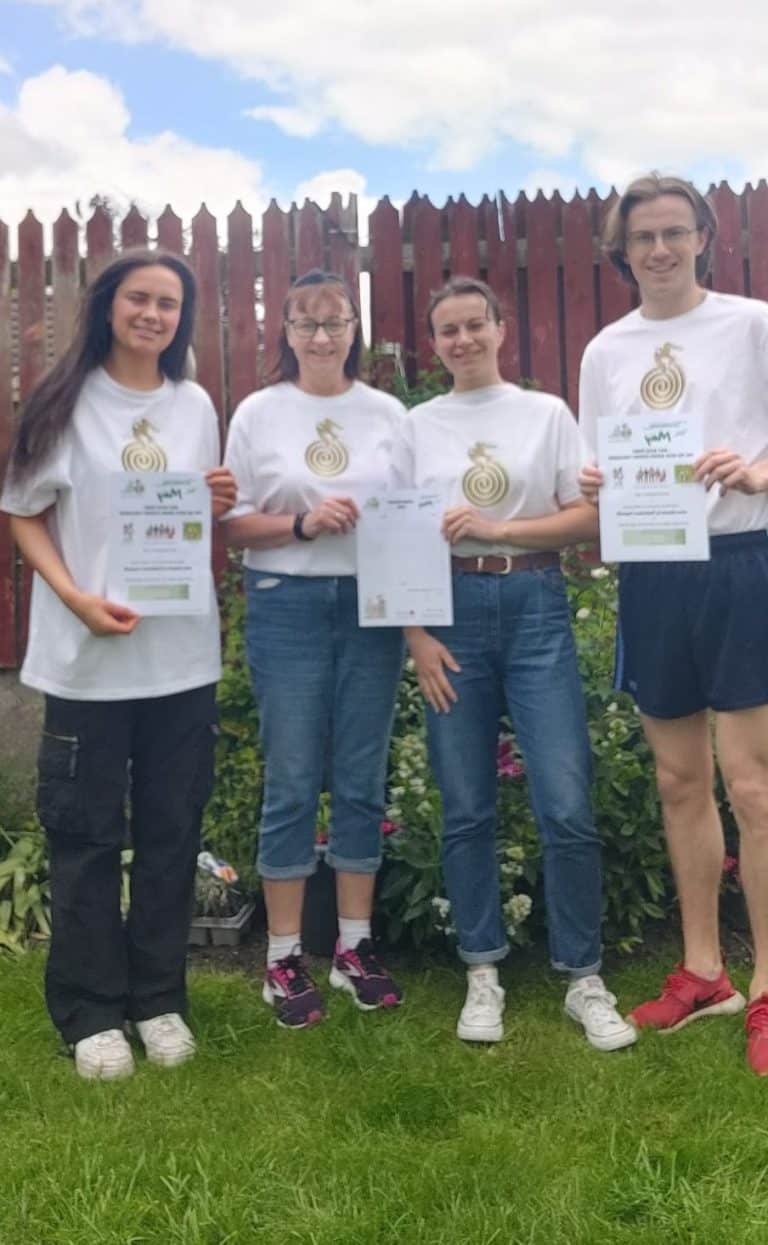
Studies have shown that strong intergenerational relationships positively impact mental and physical health across generations. Such benefits include increased mental stimulation, reduced feelings of loneliness, improved cognitive functioning, emotional support and guidance thus promoting positive overall health and well-being. Multigenerational solidarity has the potential to create a harmonious and thriving society where individuals of all ages feel valued, supported, and empowered. So do yourself a favour and remove those barriers of age that society has created and mingle with family and friends, near and far.
And if you can spare a few euro, please donate what you can to our organisation so we can continue to spread awareness about all of the realities of ageing.
Please support the Irish Senior Citizens Parliament, donate online below:
97% of respondents unable to avail of Retro-Fitting Scheme
This week, Savills Property Agents have released findings of their BER (Building Energy Rating) awareness survey which revealed that 1 in 3 people cannot afford to retrofit their homes. As we are still conducting our own survey which will inform our pre-budget submission for 2024, we thought we would share some of our own findings on the subject so far.
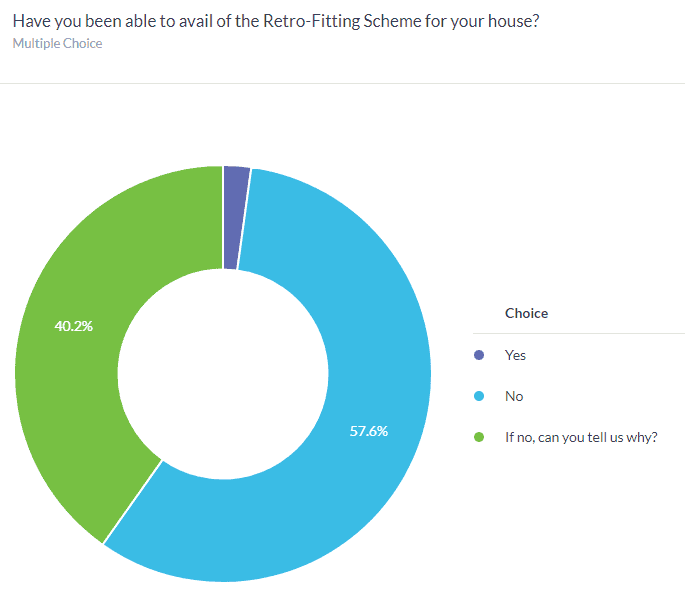
We asked our own members if they have been able to avail of the Retro-Fitting Scheme with less than 3% confirming that they had successfully availed of the scheme. Out of the other 97% of respondents, 57% of people could not avail of the scheme with 40% admitting that they could not afford the scheme as the other associated costs were much too high.
When asked if members believed that the Government backed loan would help older people with retro-fitting, almost 67% answered “no”. The 33% that answered “yes” include the very small number of people who have availed of the scheme as well of those who have not yet applied or looked into the particulars of the scheme.
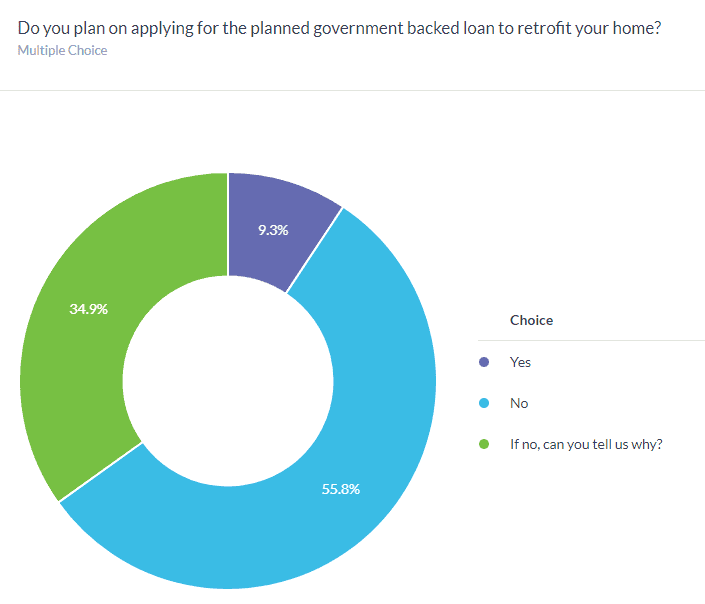
Only 9% of respondents have said that they plan to apply for the Government backed loan with almost 35% explaining that there is no point in applying as they cannot afford the extra costs.
With the full cost of a retrofit topping almost €80,000, the requirement to raise a minimum of half of that is proving too difficult for older people during an already arduous cost-of-living crisis. Under the Government’s €8 Billion National Retrofit Plan, 500,000 homes are aimed to be retrofitted and reach a Building Energy Rating of B2 by 2030. This is expected to be aided by a combination of SEAI grants, savings and various types of loans from banks, credit unions and building societies. However, we already know the difficulty facing older adults in acquiring a loan due to their age. That, coupled with a low-rate pension and increasing cost of living, how are older adults expected to produce the funds when their income cannot even support everyday essentials. We have heard from members who have had to give up socialising, TV and phone subscriptions, supporting a cause and even fresh nutritional meals.
We first ask Government to look at how they can financially support older adults in a more sustainable and fair way. However, there is a huge need to change their approach to the Retrofitting Scheme and look at how they can affordably upgrade the homes of older adults, people on lower incomes or those living in social housing.
If you would like to take part in our survey and lend your voice to our pre-budget submission, please follow the link HERE.
The loss is immeasurable, but so is the love left behind
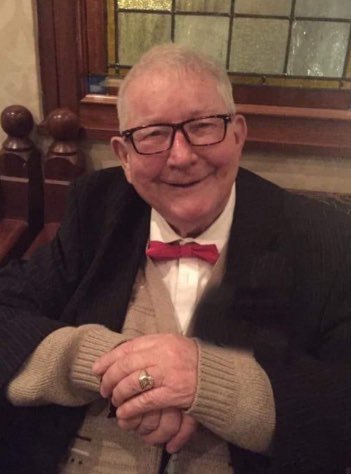
It is with regret that we learned of the passing of two of our founding members last week, Tommy Baldwin and Michael O’Halloran. Both Tommy and Michael were instrumental in setting up the ISCP in 1994-1997 when there were very few organisations working as advocates for the rights of older people.
Michael was also the first CEO of the ISCP and worked determinedly in the early days to develop the profile and awareness of the work of the organisation. Sean Kinsella, a long-time member who worked with Michael in the early years, recalls his innate sense of social justice and his keen interest in education and ensuring that everyone, including older people, had access to it.
Tommy, who worked tirelessly to grow the organisation and set up the Cork branch as well as the Retired Workers Network will be sadly missed. Nora from the Cork branch who worked alongside Tommy recounts his strong belief in people and speaks of his kindness, patience and unstinting commitment to any work he undertook. She describes him as ‘A true gentleman’ who was also a keen activist.

We believe that it is this work in the early days that created the organisation we have today and we thank both Michael and Tommy for the strong legacy they have left behind.
We offer our sincere condolences to the families of both Tommy and Michael.
The loss is immeasurable but so is the love left behind
Continuing to lobby for a Commissioner for Ageing and Older People
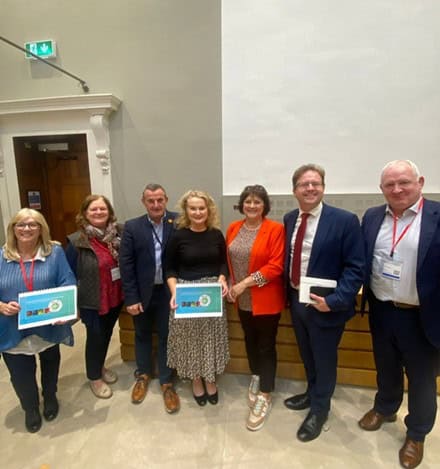
CEO Sue Shaw along with members of the Alliance of Age Sector NGOs, met with TDs and Senators in Leinster House for a second time, on Wednesday 3rd May.
The meeting took place in the AV Room in a bid to garner further cross-party support from TDs and Senators. After a brief introduction and presentation to ‘set the scene’ by Sue Shaw and Maureen Kavanagh (Active Retirement Ireland), the discussion continued for over an hour. The contributions from TDs and Senators alike, were both informative and encouraging and the proposal was well-supported overall.
The general consensus was that the call for a Commissioner was ‘a reasonable ask’ and would be a campaign that could benefit from cross-party support. The collaboration work by the Age Alliance was also noted and very welcomed. It is with great hope that over the coming period, these discussions will progress to a Dail debate on the issue and a similar debate in the Seanad.
We fully appreciated the time and energy shown by the TDs and Senators who attended and we look forward to moving this key action forward.