News
Wishing you a wonderful retirement!
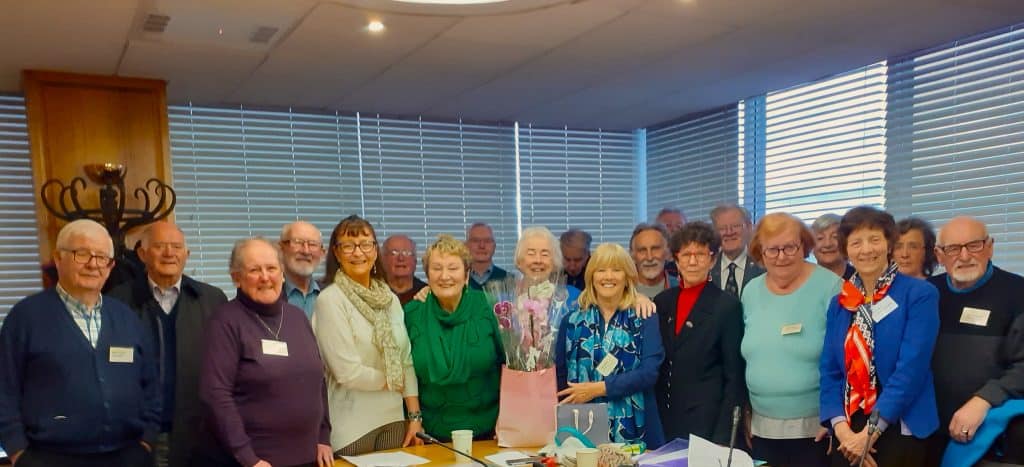
We would like to take some time to acknowledge and celebrate a remarkable career and bid farewell to an extraordinary colleague who is embarking on a well-deserved journey into retirement. We wish to express to Sue, our genuine appreciation and gratitude for her remarkable contributions and unwavering dedication to the ISCP.
A friend, a colleague, a fierce leader, Sue has left a lasting mark on the team, our Board and Executive, ISCP members and most significantly on the Age Sector itself. Her expertise and exceptional skills have helped to secure the longevity of the ISCP and propel us forward into our next chapter. She has certainly been a mentor and role model to so many of us.
Beyond her professional accomplishments, Sue has also been a source of inspiration and support on a personal level. She has always been on hand to offer words of encouragement and create a positive and nurturing environment for everyone around her. Her kindness, generosity and genuine care for those around her has helped foster a strong sense of camaraderie and unity within our team and Executive Committee.
We are forever grateful for the knowledge and skills we have gained under her tutelage, in particular her ability to instil in us the values of integrity, dedication and perseverance. As Sue embarks on her own new chapter, we can only wish her the very best in her retirement. May it be filled with happiness and good health, excitement and adventure and most of all, relaxation. You will be sorely missed but your legacy will continue to inspire us all.
Thank you for everything you have done and congratulations on your well-deserved retirement!
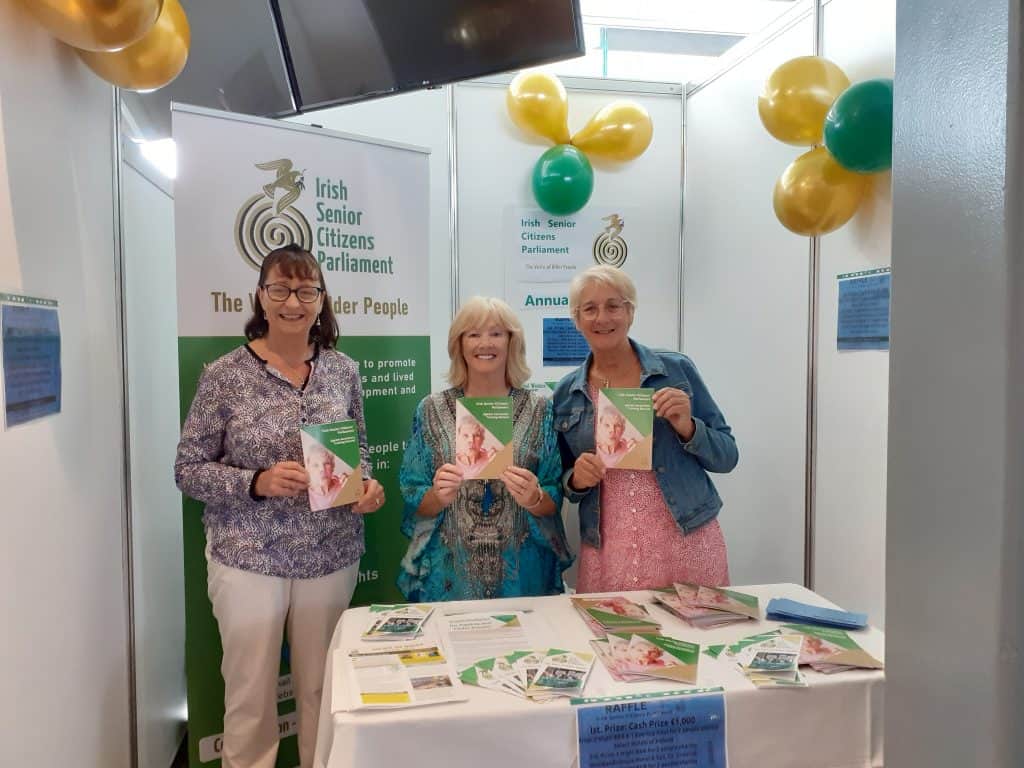
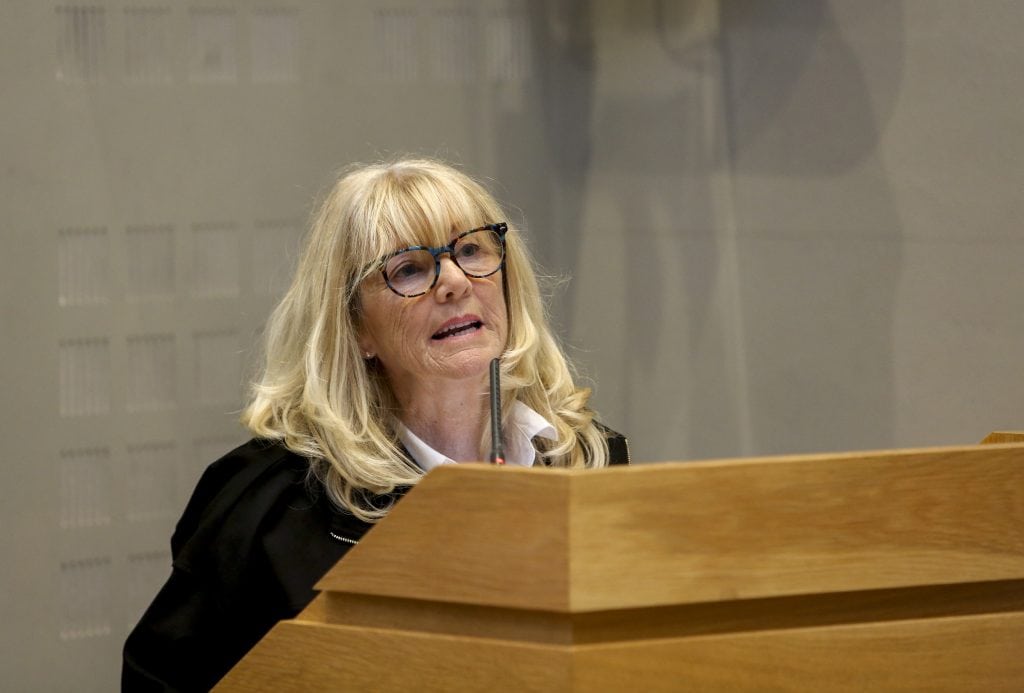

Vicky continues to be our Rock of Support
Today we honour Vicky Phelan on her first anniversary and pay tribute to all women, their families and friends who have been affected by cervical cancer. Vicky was of course a prominent figure in the CervicalCheck scandal, as she brought attention to the misdiagnosis and delayed treatment of multiple cervical cancer cases in Ireland. Her courageous fight for justice and her advocacy efforts had a profound impact on the healthcare system and Irish society as a whole.
This morning on Newstalk we heard from Vicky’s friend and fellow campaigner Stephen Teap, whose words struck a chord:
She had the “the courage to stand up and not only stand up and fight for yourself and for what you believe in, but also to represent others…
While she was a victim, she didn’t see herself as one; she was more of a fighter and I think that’s what we all admired so much of Vicky Phelan”
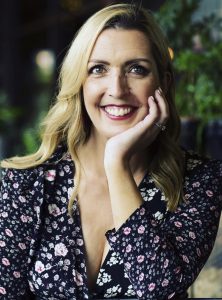
Stephen’s wife Irene had also tragically lost her life to cervical cancer in 2017 at the age of 37. Stephen and Vicky formed a special bond after he witnessed her strength in sharing her story for the first time on the steps of the Dublin Courthouse in April of 2018, saying she instantly became a “Rock of Support”.
Vicky became a rock of support for the entire nation in her bravery to persevere and expose the serious flaws in the screening process and communication between healthcare providers and patients. Recommendations of Dr. Gabriel Scally’s Report and significant efforts of the 221+ Campaign has resulted in reforms and changes to prevent similar incidents in the future. Widespread investigations and review of the cervical screening process prompted the creation of the Patient Safety Bill, a law that makes open disclosure a mandatory obligation of those charged with the care of a patient in the Irish health system. In addition, the processing of CervicalCheck samples have recently restarted in the National Cervical Screening Laboratory. Each of these major changes were sparked by the bravery of Vicky Phelan followed by Laura Brennan, Stephen Teap, Lorraine Walsh and so many other individuals who have been working tirelessly behind the scenes to protect the future of all women in Ireland.
Vicky was responsible for igniting a national conversation about women’s health, patient advocacy, and the importance of transparent and accountable healthcare systems. She highlighted the need for improved communication, better access to medical information, and increased awareness of the importance of early detection and prevention. It is important to note that cervical cancer can affect women at any age and it is worthwhile to encourage the women in your life to get checked. Today, we felt it was essential to celebrate Vicky’s transformative accomplishments achieved in such a short time and to emphasise the importance of speaking up and speaking out.
“To be an activist is to speak. To be an advocate is to listen. Society can’t move forward without both.”
– Eva Marie Lewis
Samhain’s about right!
Halloween is widely known to have originated in Celtic Ireland in particular from the festivities during Samhain. The festival of Samhain marked the end of the harvest season and the beginning of winter and was believed to be a time when the boundary between the living and the dead was blurred, allowing spirits to roam the earth. During Samhain, the Celts would light bonfires and wear costumes made of animal heads and skins to ward off evil spirits. They believed that the presence of spirits made it easier for Druids to make predictions about the future and performed rituals and offerings to appease the spirits or as we now call it, trick-or-treating.
As Christianity spread throughout Ireland, the church incorporated some of the traditions of Samhain into its own celebrations. In the 8th century, Pope Gregory III designated November 1st as All Saints’ Day, a day to honour all saints and martyrs. The evening before, October 31st, became known as All Hallows’ Eve, eventually evolving into Halloween. Over time, Halloween became the community-centred holiday we all know and love, unless you are a Samhainophobic of course. Yes, believe it or not, the fear of Halloween or any association with it is called Samhainophobia.
Samhain was a time when the community would come together to celebrate and honour their ancestors. Older adults played a central role as they would often lead the community in rituals, ceremonies and storytelling. They would share myths, legends, and tales of the past, passing down cultural knowledge and preserving the community’s history. Older persons would also provided guidance and advice to younger generations during Samhain. They would offer wisdom and insights on various aspects of life, including agriculture, survival, the cycle of life and death and even spiritual matters.
Older adults held a respected and central role in the celebrations of Samhain with their presence and involvement helping to foster a sense of community, togetherness and multigenerational solidarity. Once again, it begs the question of where respect for the older generation got lost along the way. Older adults have somehow transitioned from being seen as an integral part of the community to being an inconvenience. Let’s try to revisit these Samhain traditions this Halloween and connect with our community as best we can. Let’s do as the Celts did and show appreciation to our elders while celebrating this annual tradition.
We wish you all a very happy Halloween!

The fight continues for ISCP members
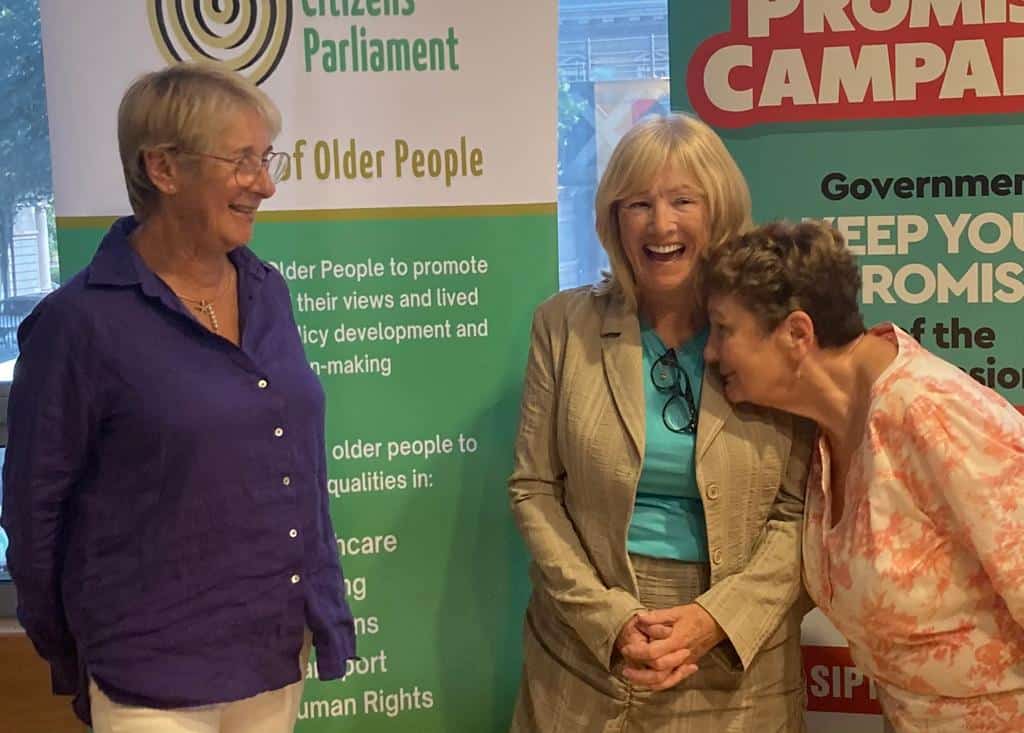
We would like to take this opportunity to thank all of our members and delegates for attending our 2023 Annual Parliament Meeting last week. We had a wonderful day of discussion and debate while exchanging views on the announcements of Budget 2024. The overall response to the Budget was one of disappointment and confusion. Our members expressed how they felt let down by Government and once again, older persons were an oversight in this year’s budget.
We managed to put our budgetary frustrations to one side to speak about the continued work of the ISCP and to celebrate all of our achievements to date. We also took a moment to pause and pay tribute to past ISCP members who have sadly passed away in the last year. Once our delegates were up to date on current and future work, we continued to discuss the future direction of the Irish Senior Citizens Parliament.
It was made very clear to us that our members still have the drive and determination to continue fighting for their rights and for security in retirement. We must always remember that we are advocating for everyone’s future. It won’t be long until our older population outnumber the rest and our Government need to prepare for this in advance. We need to future-proof and implement policies which support our entire population at every stage of life. The ISCP will continue to do our best to elevate and promote the voice of our growing population of older persons.


